A Terra di u Cumunu
amandine joset-battini, flo*souad benaddi, toni casalonga, aurélie ferruel & florentine guédon, marcos ávila forero, asunción molinos gordo, hendrik hegray, judith hopf , suzanne husky, nicolas momein, gyan panchal, anna reutinger, rémi voche, jean-philippe volonter
Si elle a longtemps été le signe de la permanence d’une vie cyclique, bercée par le rythme des saisons, la ruralité n’aura pas échappé aux nombreuses mutations propres à la modernité, à commencer par la réduction drastique de sa place dans nos sociétés. Son hybridation continue avec les zones périurbaines, où se disséminent les ensembles pavillonnaires, et les sites touristiques, qui se contractent avec l’hiver, témoigne d’une fondamentale plasticité que l’on retrouve aussi bien dans la mutation des exploitations agricoles sous le coup d’une industrialisation liée à l’accroissement du secteur de l’agroalimentaire. Ainsi, la ruralité apparait comme un milieu social complexe au cœur des contradictions culturelles qui traversent ce XXIe siècle. De ce point de vue, elle est la part maudite d’une écologie, qui traite trop souvent la nature comme une chose idéalisée, en rappelant la nécessaire transformation de la matière sur laquelle s’appuie le travail humain. Le labeur constitue peut-être le signe le plus marquant que la nature ne peut pas juste être pensée comme une simple entité à préserver tel le contrepoint abstrait à un environnement de plus en plus artificiel et technologique.
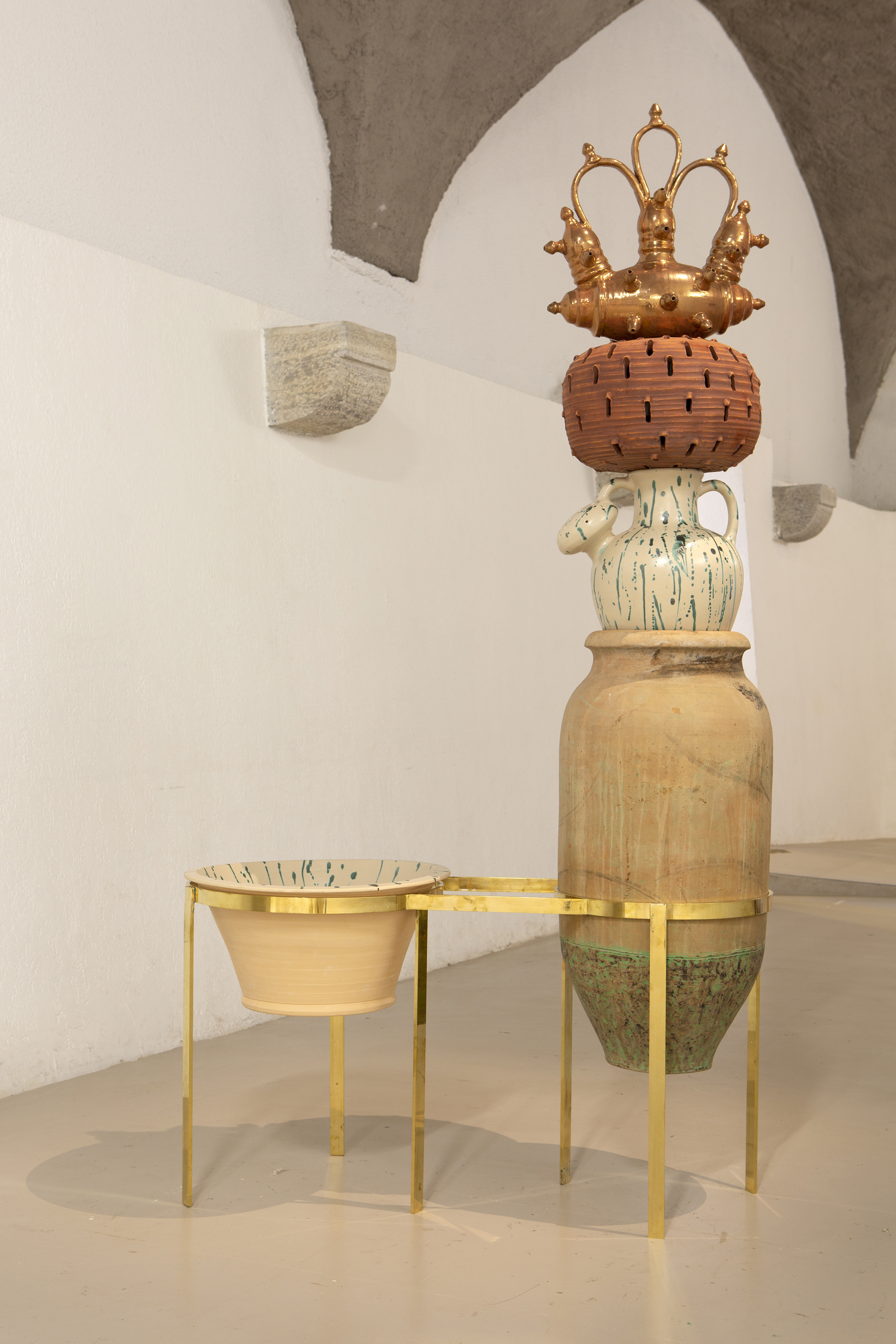

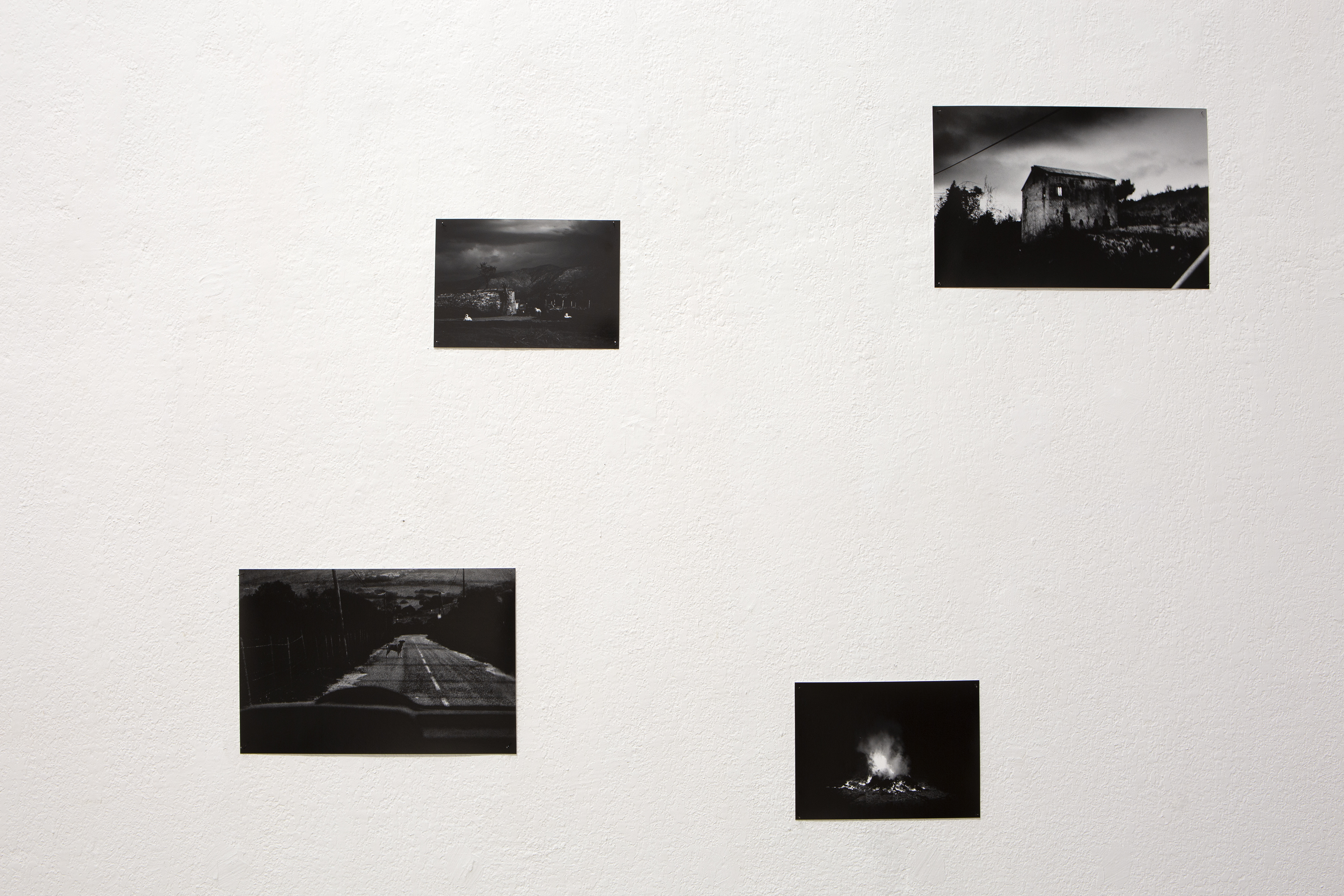
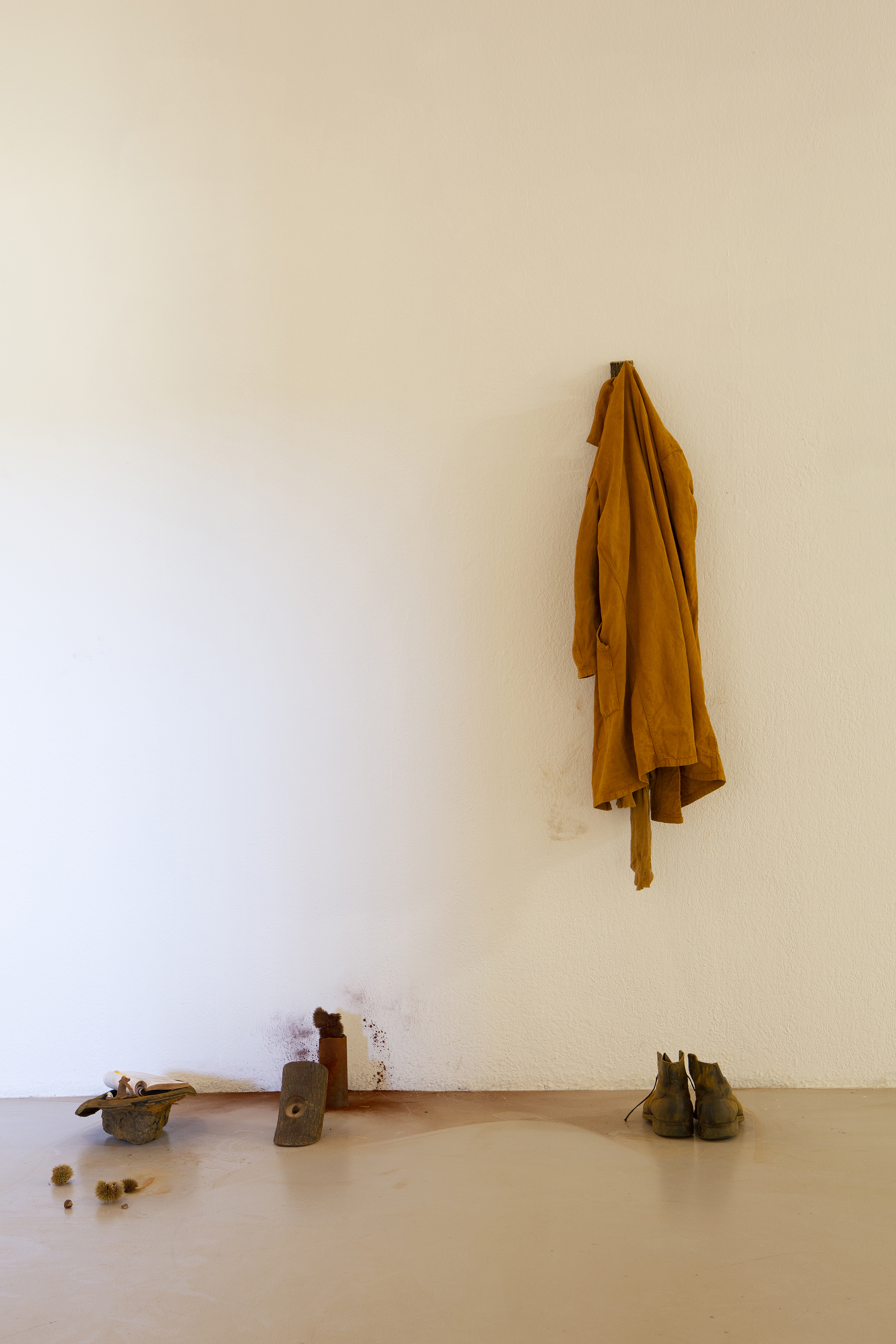
L’exposition A Terra di U Cumunu emprunte alors son titre à l’histoire de la Corse pour métaphoriser l’appropriation collective des terres qui était généralisée à l’époque génoise là où ces dernières n’étaient pas cultivées.

Si ces terrains ouverts furent réduits au XVIIIe siècle avec l’essor de la propriété privée, il reste que ces espaces collectifs ne sont pas uniquement un mythe. Ils nous rappellent que les pratiques agricoles communautaires ont existé sur le territoire insulaire et que ces communs montrent en réserve - au même titre que l’art - une potentialité de partage. A Terra di U Cumunu déploie alors des créations différentes pour dessiner de manière non littérale un dialogue précieux entre l’art et le milieu rural, loin du stéréotype d’une création actuelle qui s’épanouirait avant tout dans les grandes capitales internationales.
Curateur : Fabien Danesi